A Wisconsin roof takes a beating. January brings subzero nights and a foot of snow. March brings ice dams. By June, thunderstorms roll through with high winds and hail, and some years you get all of it before the Fourth of July.
That's why the best roofing shingles for a home in Texas or Arizona aren't always the best choice for a home in Green Bay or Appleton. A shingle that holds up fine in steady heat can crack or blow off after a few Wisconsin winters.
This post covers what our weather does to a roof, which shingle features matter most here, and how to pick the right one. At Security-Luebke Roofing, we install Owens Corning shingles, and we chose that lineup because it handles Northeast Wisconsin conditions well.
What Wisconsin Weather Does to a Roof
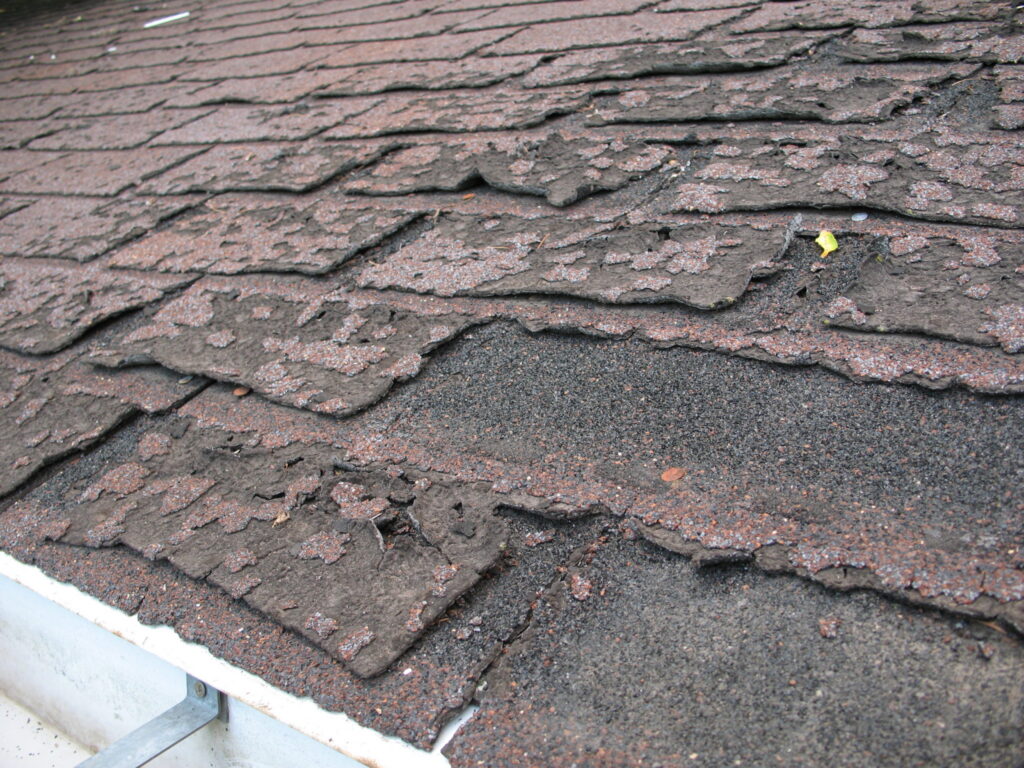
Freeze-thaw cycles do quiet damage. Water gets into small gaps around nails and seal strips, freezes overnight, and expands. After dozens of those cycles in one winter, granules loosen and shingles start to lift.
Snow and ice cause the damage you can see. When warm air from your living space leaks into the attic, it melts the snow sitting on the roof. That water runs down to the colder eaves, refreezes, and forms an ice dam. The next round of meltwater backs up behind the dam and works its way under the shingles.
Spring and fall storms catch the edges of shingles. Once a seal strip breaks, that shingle is much more likely to tear off in the next strong gust.
Hail is the hardest to spot. A summer storm can bruise or crack standard shingles without leaving damage you'd notice from the driveway, so the leak shows up months later.
Each of these problems matches up with a specific shingle feature, and those features are what you should compare when you shop.
Shingle Features That Matter Most in Cold Climates
Cold-weather flexibility comes first. Standard asphalt gets brittle when temperatures drop, and that's when it cracks under hail or ice. Polymer-modified shingles (often labeled SBS, a rubber-like additive) stay flexible in the cold and take impacts better.
A shingle's wind rating is the gust speed its warranty covers. In Wisconsin, look for a 130 mph rating. That rating depends on installation, though. Manufacturers usually require a specific nail pattern plus their own starter strips and hip and ridge shingles before the full wind warranty applies.
Impact resistance is measured with the UL 2218 test, where steel balls are dropped on the shingle from set heights. Class 4 is the highest rating. It means the shingle survived a 2-inch ball without cracking. Some Wisconsin insurers offer premium discounts for Class 4 roofs, so call your agent before you decide.
Algae resistance matters more than most people expect. North-facing and shaded roofs stay damp, and the black streaks you see on older homes are algae. Shingles with algae-resistant granules keep those streaks from forming for a specified time.
Architectural vs. 3-Tab Shingles
3-tab shingles are the flat, single-layer style you see on many older homes. They're thinner and lighter, so wind and hail wear them out sooner. Most manufacturers are phasing them out.
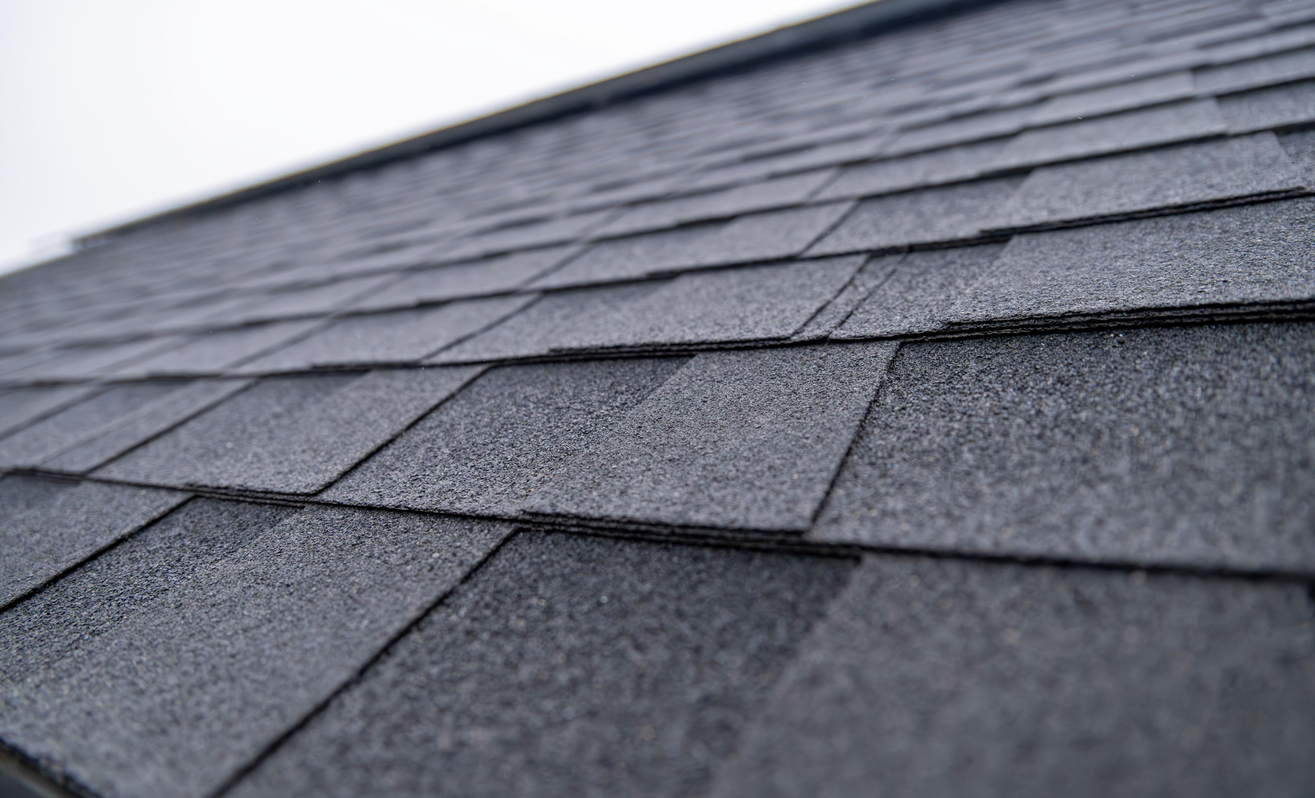
Architectural shingles, also called dimensional shingles, are made of laminated layers. They're thicker, have a wider sealant line, and give the roof more texture and curb appeal.
For a Wisconsin home, we treat architectural shingles as the minimum. They cost a little more than 3-tab, and they last longer and hold up better in storms.
The Best Owens Corning Shingles for Wisconsin Homes
Owens Corning Duration
Duration is Owens Corning's core architectural shingle. SureNail Technology adds a reinforced fabric strip in the nailing zone, which grips the nails and helps the shingle stay down in high wind. Installed correctly, it carries a 130 mph limited wind warranty, and StreakGuard algae protection comes standard.
Owens Corning Duration FLEX
Duration FLEX is the same design with SBS polymer modification added. That gives it a Class 4 impact rating and keeps it flexible in freezing weather. For Wisconsin roofs, it's our strongest recommendation.
Which One Is Right for You?
If budget is your main concern and your home is fairly sheltered, Duration will serve your home well. Duration FLEX is worth the upgrade if your house sits on open ground, you've filed a hail claim before, or you want the insurance discount.
Shingles Are Only Part of the System
Even the best shingle will leak if the layers under it are installed incorrectly. In Wisconsin, ice and water shield must extend from the lowest edge of all roof surfaces to a point at least 24 inches inside the interior wall line of the building. It's a self-sealing membrane that keeps meltwater off the roof deck when an ice dam forms.
Attic ventilation and insulation matter just as much. A well-vented, well-insulated attic keeps the roof deck cold, which keeps snow from melting unevenly and stops most ice dams before they start.
Matched components also protect your warranty. Owens Corning, like most manufacturers, requires its own underlayment, starter strips, and ridge vents for its strongest warranty coverage.
Feel Confident That You're Choosing the Right Asphalt Shingle for Your Roof
Picking a shingle is much easier when someone looks at your actual roof. Your roof's pitch, how exposed the house is, your attic ventilation, and your home's storm history all change the recommendation.
Security-Luebke Roofing will inspect your roof and give you a clear estimate on your shingle options, including Owens Corning and other reputable brands. Schedule your free roof inspection today.
Frequently Asked Questions
Polymer-modified (SBS) architectural shingles like Owens Corning Duration FLEX are the best fit. They stay flexible below freezing and carry a Class 4 impact rating.
For most homes, yes. Summer hail is common here, and some insurers offer discounts that cover part of the higher cost of Class 4 shingles.
Architectural asphalt shingles handle snow well when they're installed over ice and water shield with good attic ventilation. Metal roofing sheds snow faster, but it costs more upfront.
Yes, with the right precautions. Seal strips need warmth to bond, so crews may hand-seal shingles in cold weather. SBS shingles are also easier to install in low temperatures because they stay flexible.